



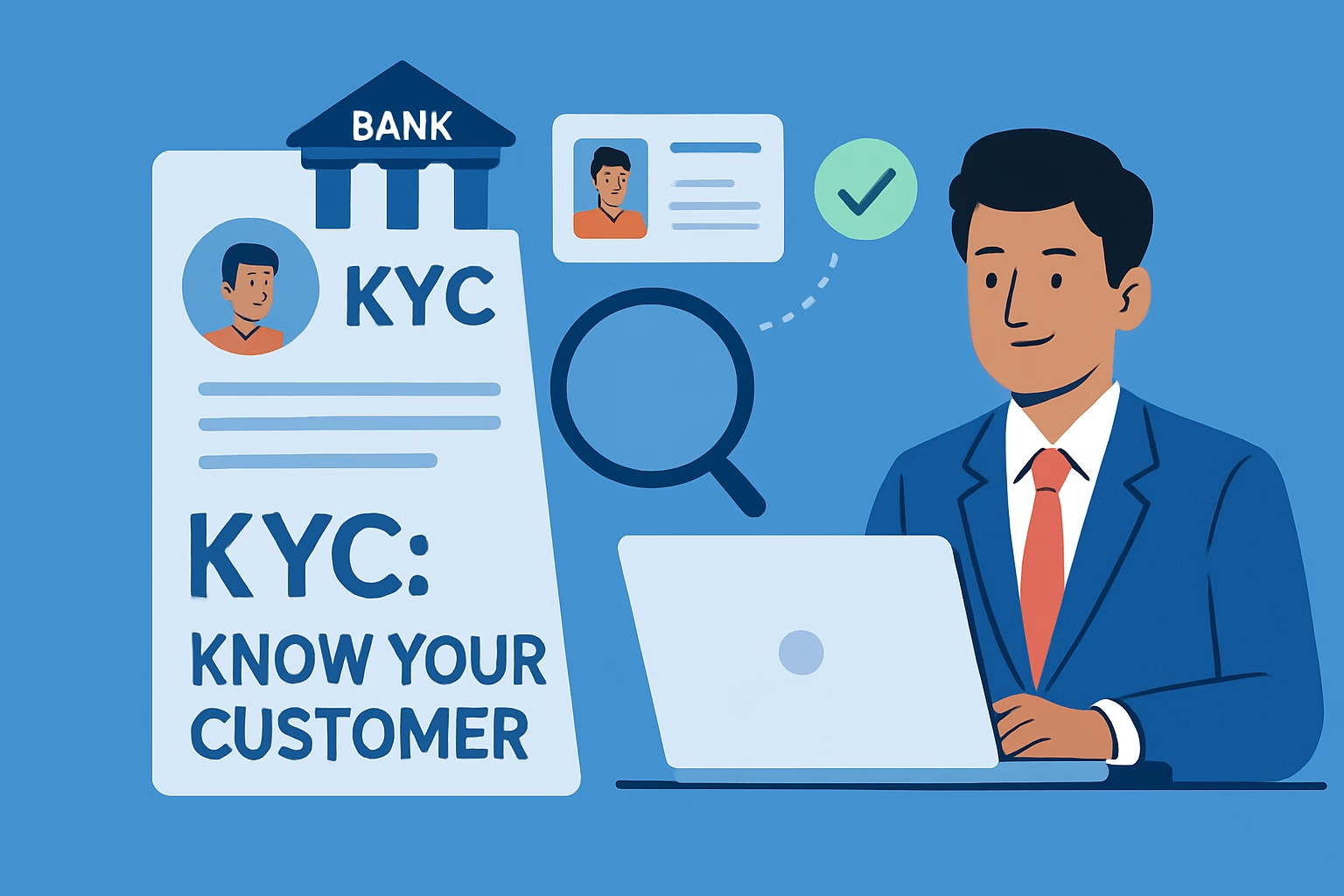
The full form of KYC is “Know Your Customer”. KYC refers to a mandatory process in banking, finance, and other industries where institutions verify and confirm the identity of their clients to prevent fraud, money laundering, and other illegal activities.
- What Is KYC Full Form?
- Why Is KYC Important?
- Where Is KYC Used?
- How Does KYC Work?
- Types of KYC
- KYC’s primary benefits
- Frequently Asked Questions
- Is KYC mandatory in India?
- What documents are required for KYC?
- Can KYC be completed online?
- How to check KYC status?
- How KYC Impacts You
- Human Perspective and Tips
- Conclusion
What Is KYC Full Form?
KYC means Know Your Customer and it is a vital identity verification process that is used by banks, financial institutions, and several other organizations. KYC is primarily an identity verification process that verifies the identity of clients, and protects both the institutions and their clients from fraudulent activity, financial crimes, and compliance issues.
Read Also GDP Full Form
Why Is KYC Important?
KYC is essential for trust and security in financial transactions between customers and businesses. It helps banks and financial institutions ensure their customers are genuine, and reduces the risk of financial crimes such as money laundering and identity theft. KYC assurances help establish confidence with customers, and regulatory compliance for banks and financial institutions. As bad actors try to exploit the financial system, KYC is a baseline for modern finance needed to establish trust as a foundation for financial inclusion.

Where Is KYC Used?
- Banks: Opening bank accounts, loan applications, and credit card applications.
- Investment firms: Mutual fund applications, and opening demat accounts.
- Insurance: Purchasing and claiming.
- Online platforms: Cryptocurrency exchanges, and payment solutions.
Read Also Best Neckband under ₹1000 | Best Tws under ₹2000
How Does KYC Work?
KYC verification process usually includes collecting data and documents from the customer:
- Personal information: Name, Date of Birth, Address, and Identification number.
- Documents: A Government issued ID (Aadhaar, PAN, passport) as well as proof of address, and for some customers biometrics.
- The process: Fill out KYC form (either physical or virtual), provide documents, entity will verify through an authorized by way, and sometimes have video verification, or OTP authentication for digital first onboarding.
Types of KYC
- Physical KYC – Submitting paper documents at a bank or financial institution.
- E-KYC – Based on Aadhaar or online digital identification.
- Video KYC – Identity/verification via secure, live video conference.
- Central KYC – Centralized source that enables financial entities to access records and verify customers.
KYC’s primary benefits
- Fraud prevention: Increases chances of finding and preventing identity theft and scam activity.
- Regulatory compliance: Helps organizations comply with Anti-Money Laundering (AML) laws and other compliance requirements.
- Customer trust: Helps to build transparency and trust in the transaction.
Frequently Asked Questions
Is KYC mandatory in India?
Yes, KYC is mandatory for banking, financial services, stocks, mutual funds, insurance, and payments as per RBI and SEBI guidelines.
What documents are required for KYC?
Common KYC documents include Aadhaar, PAN card, passport, voter ID, utility bills, and recent photographs.
Can KYC be completed online?
Yes, e-KYC and video KYC have become highly popular for their convenience and speed, especially post-pandemic.

How to check KYC status?
Customers can visit their bank or service provider’s website, access the KYC section, and enter their application number or use their registered mobile/email to track status.
How KYC Impacts You
If engaging with financial institutions, investing, or signing up for major digital services, completing KYC ensures safety, seamless transactions, and regulatory adherence. While the forms can seem repetitive, centralized and digital KYC methods now make the process much quicker and less frustrating.
Human Perspective and Tips
KYC isn’t just about paperwork; it’s about protecting your money and data. While the process can feel bureaucratic, it’s designed to keep accounts secure and weed out fraudulent activity from the system. Embrace digital KYC for faster, hassle-free verification, but always ensure you share sensitive data only with trusted, official portals.
Conclusion
KYC—Know Your Customer—is a cornerstone of secure, transparent banking and financial services. Whether online or offline, completing KYC is key to enjoying safe and compliant access to today’s financial landscape. For anyone searching the full form of KYC, it’s crucial not only to know what it means, but to understand its practical impact and the steps involved in getting verified.